
Pacific coral reef shows historic increase in climate resistance

Coral reefs in one part of the Pacific Ocean have likely adjusted to higher ocean temperatures which could reduce future bleaching impacts of climate change, new research reveals. Photo Credit: Ocean Image Bank // Tracey Jennings A Newcastle University-led study focused on the Pacific Island Nation of Palau and has shown that historic increases in […]
Pause in recent coral recovery on much of Great Barrier Reef
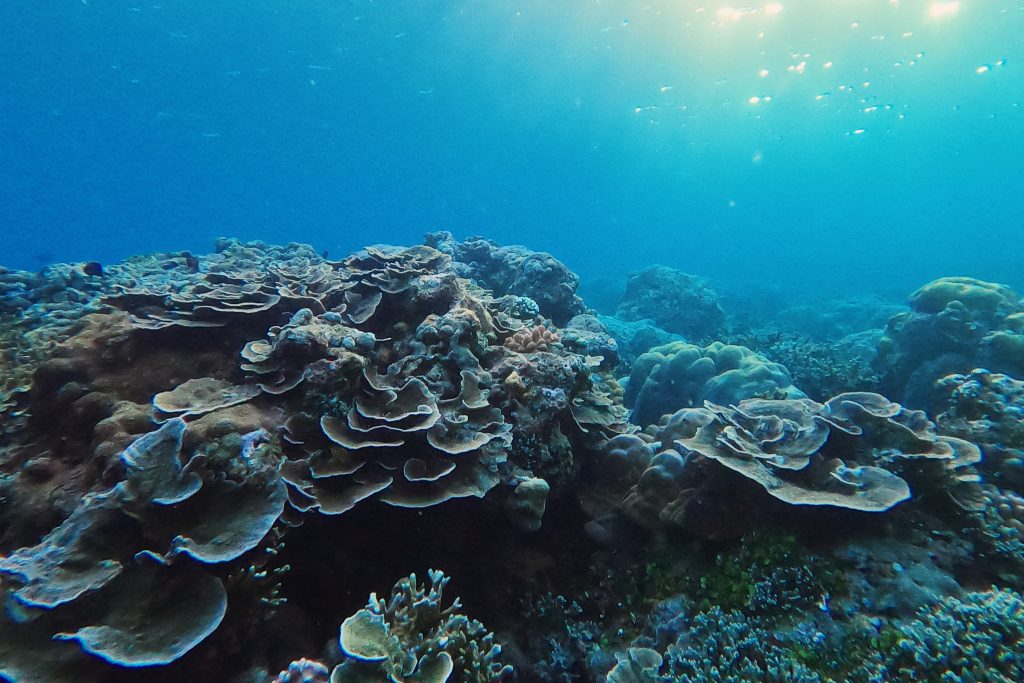
In-water monitoring by the Australian Institute of Marine Science (AIMS) shows hard coral cover across the Great Barrier Reef remains at similar levels to that recorded in 2022, with small decreases in the Northern, Central and Southern regions. Published on (Wednesday 9 August), AIMS’ Annual Summary Report on Coral Reef Condition for 2022/23 found that […]
GCRMN Reef Encounter Article: Values of a long-term partnership

Since 1995, the Global Coral Reef Monitoring Network (GCRMN), an operational network of the International Coral Reef Initiative (ICRI) has nurtured a global community dedicated to coral reef conservation by providing a platform to exchange data and share knowledge, expertise, innovative ideas and diverse perspective. Utilising data from a range of techniques, from ground-level […]
2023 Coral Bleaching Guidance
Coral Restoration Consortium releases guidance to practitioners on coral bleaching Bleaching is reaching severe levels throughout the tropics with more reports coming in daily. This extreme heat stress due to the predicted El Niño, is arriving a month earlier than expected. Corals can recover from mild or short-term bleaching but long-term or extreme heat causes […]
Regional Coordinators Meeting – July 2023
The GCRMN is structured in ten regional nodes, which operate as independent entities around a regional coordinator. These node coordinators facilitate the communication within the region, workshops on monitoring and data management and contributions to global and regional GCRMN “Status and Trends of Coral Reefs” reports. Regional node coordinators interact with the GCRMN Core Team […]
Is El Niño on the horizon? What does it mean for coral reefs
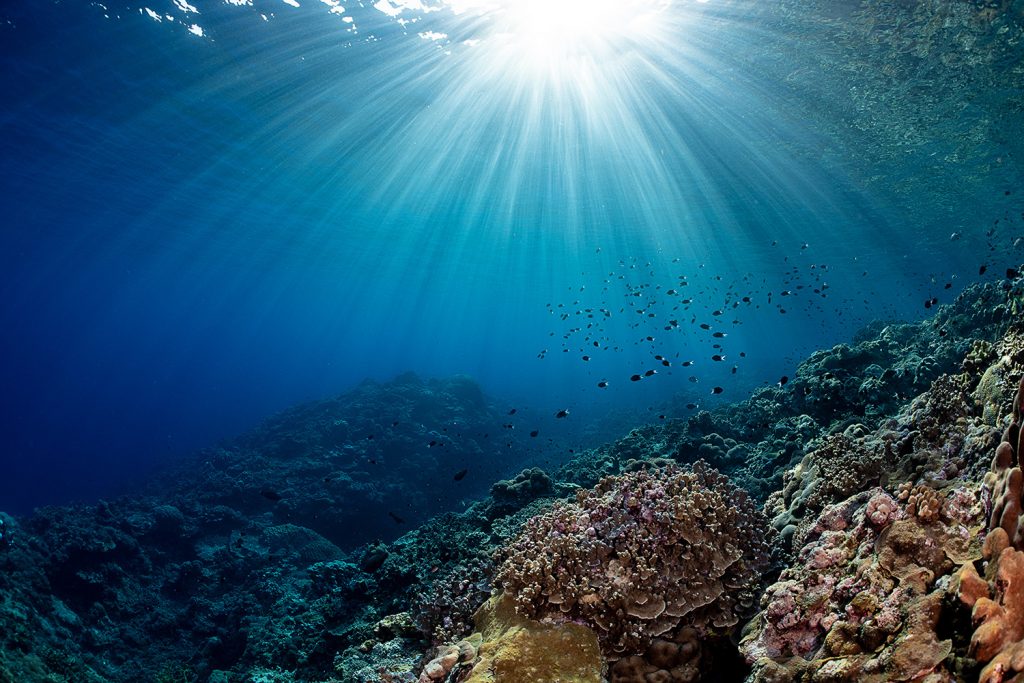
Hard corals are particularly sensitive to marine heatwaves (a period of abnormally high ocean temperatures), as thermal stress can lead them to expel their symbiotic algae – zooxanthellae -, revealing their white calcium carbonate structure, a phenomenon called “coral bleaching”. As hard corals heavily depend on the energetic resources provided by their symbiotic algae, marine […]
GCRMN Steering Committee meeting – May 2023
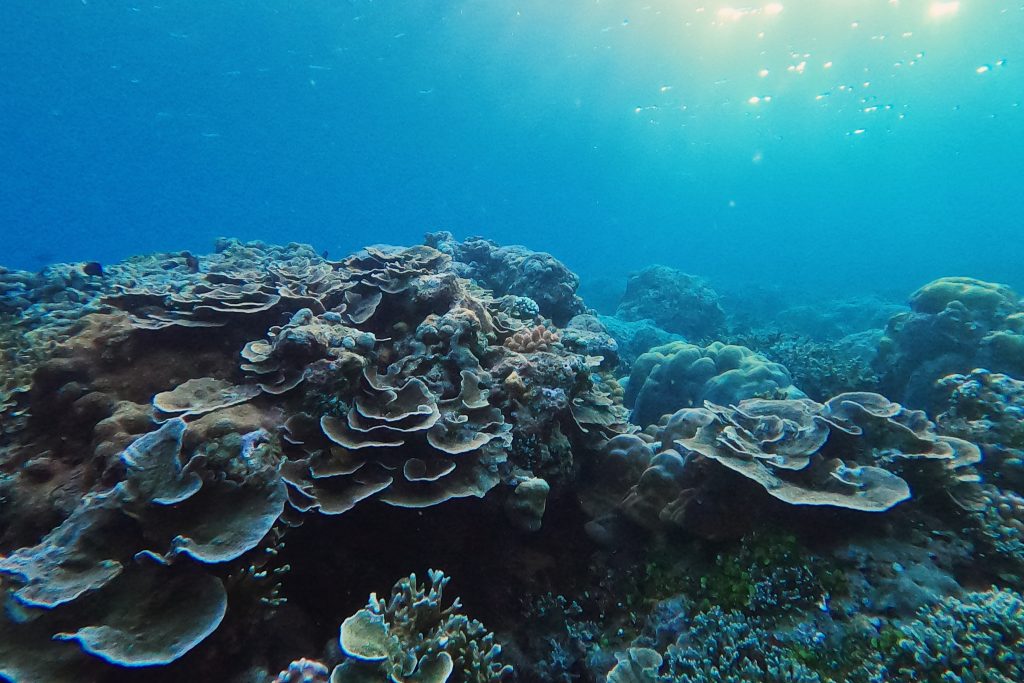
On 16th May 2023, the Global Coral Reef Monitoring Network (GCRMN) Steering Committee convened for a productive online meeting that saw discussions ranging from the establishment of a new Data Taskforce, the IUCN Red List of Ecosystems and updates from regional nodes. The Steering Committee meeting was opened by Tom Dallison (International Coral Reef Initiative […]
New insights into Diadema mass mortality
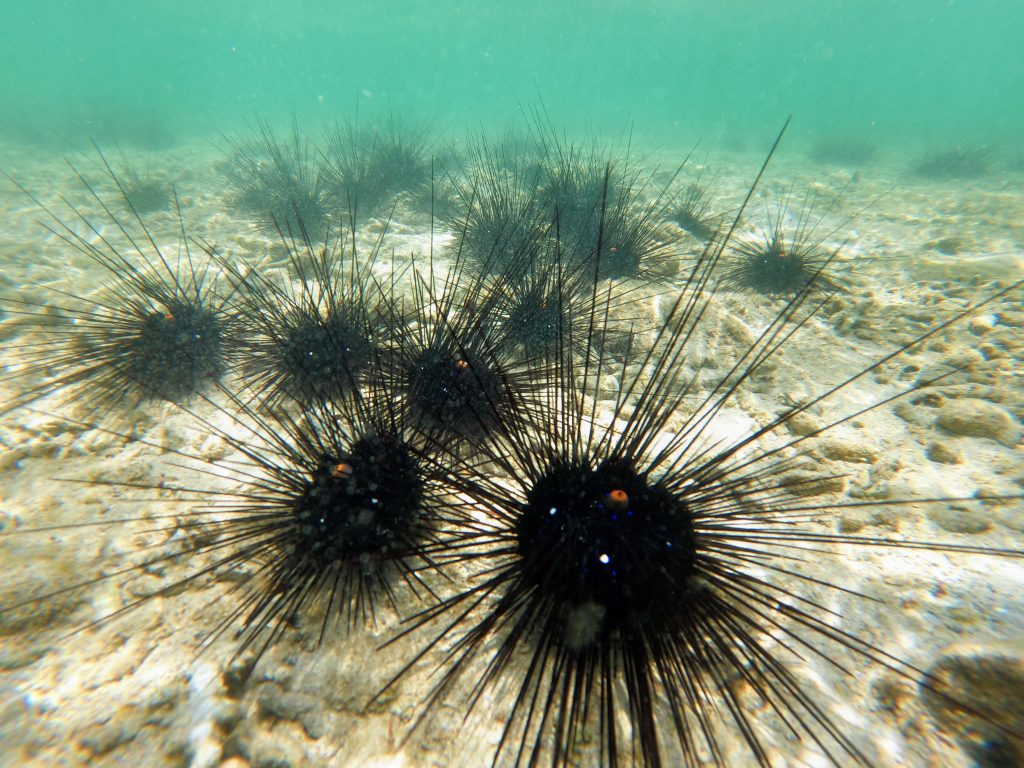
Over the five last years, humanity has faced a new catastrophic pandemic with Covid-19. However, humans are not the only species to suffer from pandemics, and the impact of one pandemic is not limited to the species that it affects because of particular functions species fulfill within ecosystems. As such, a species extirpation following a […]
Coral Beaching on the Allen Coral Atlas
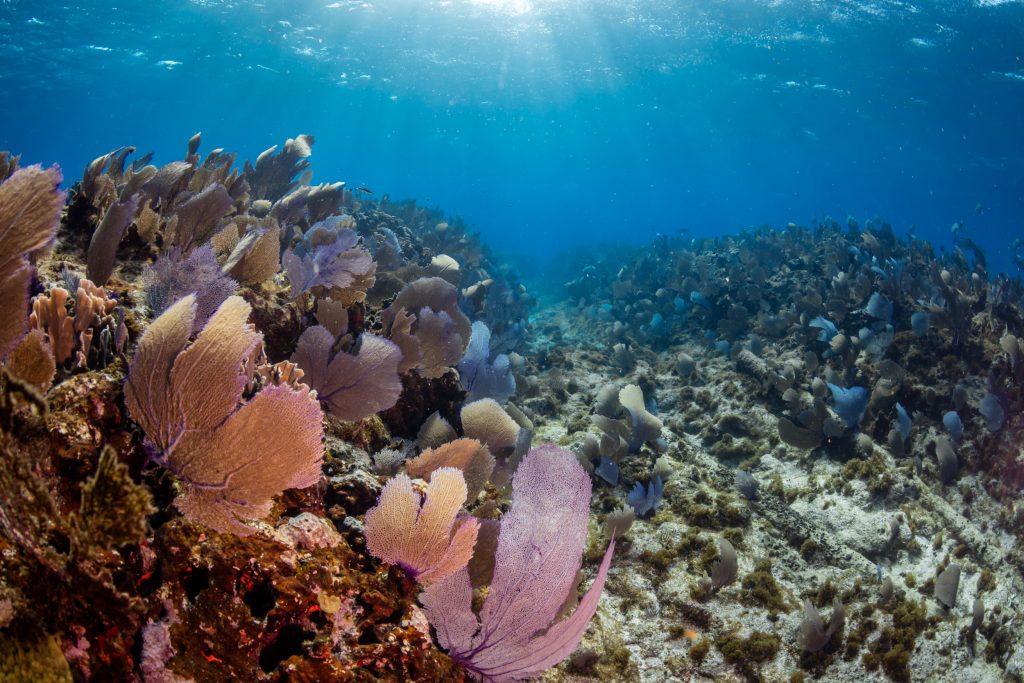
Today the Allen Coral Atlas released a new version of its coral bleaching monitoring system, including biweekly bleaching data from 2019 to the present. This unprecedented data release helps resource managers react to bleaching events as they occur, and decision makers as they prioritize areas for restoration and mitigation. “Coral bleaching is one of the […]
Call for Coral Reef Data: Pacific Region
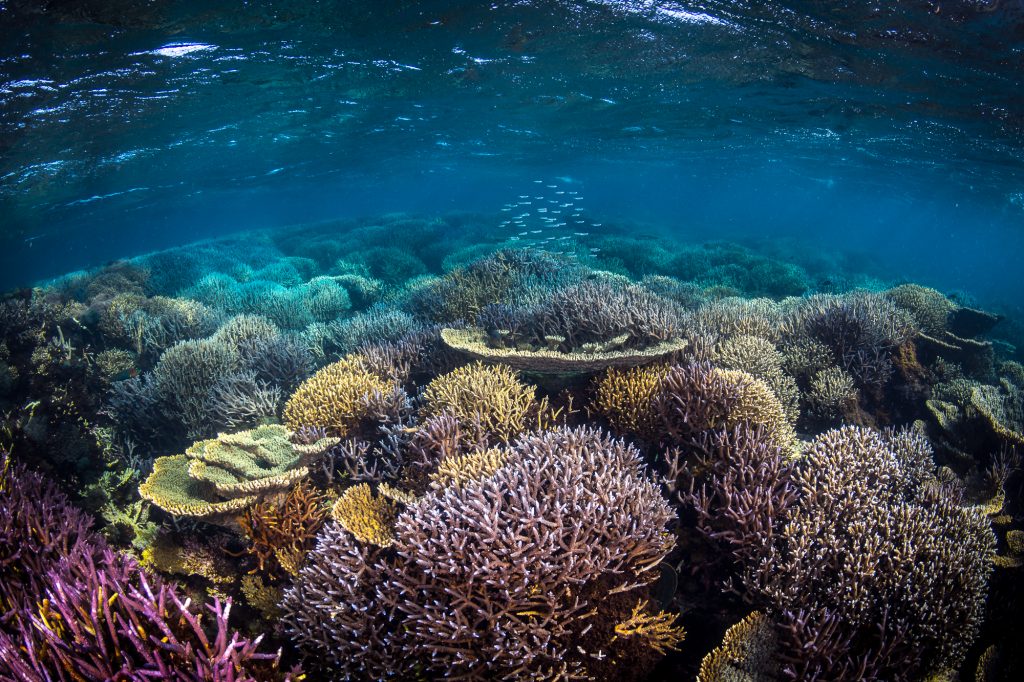
Over the last 10 years, the Global Coral Reef Monitoring Network (GCRMN) has adopted a new approach, based on the analysis of standardized coral reef monitoring data. The recent “Status and Trends of Coral Reefs of the World: 2020” GCRMN report was produced utilizing this approach which has made it possible to estimate temporal changes […]