The Great Barrier Reef is showing encouraging early signs of recovery following the 2024-25 widespread coral bleaching event.
The latest results from the Australian Institute of Marine Science Long-Term Monitoring Program (LTMP), released today found;
- Hard coral cover increased slightly across two of the three regions, in line with long term averages from the past 40 years.
- Coral cover increased in the Northern region from 30.0 to 35.1 per cent, and in the Central region from 28.6 to 31.6 per cent.
- The Southern region decreased slightly from 26.9% to 26.4%.
- Hard coral cover remains close to the long term 40-year averages recorded by the LTMP.
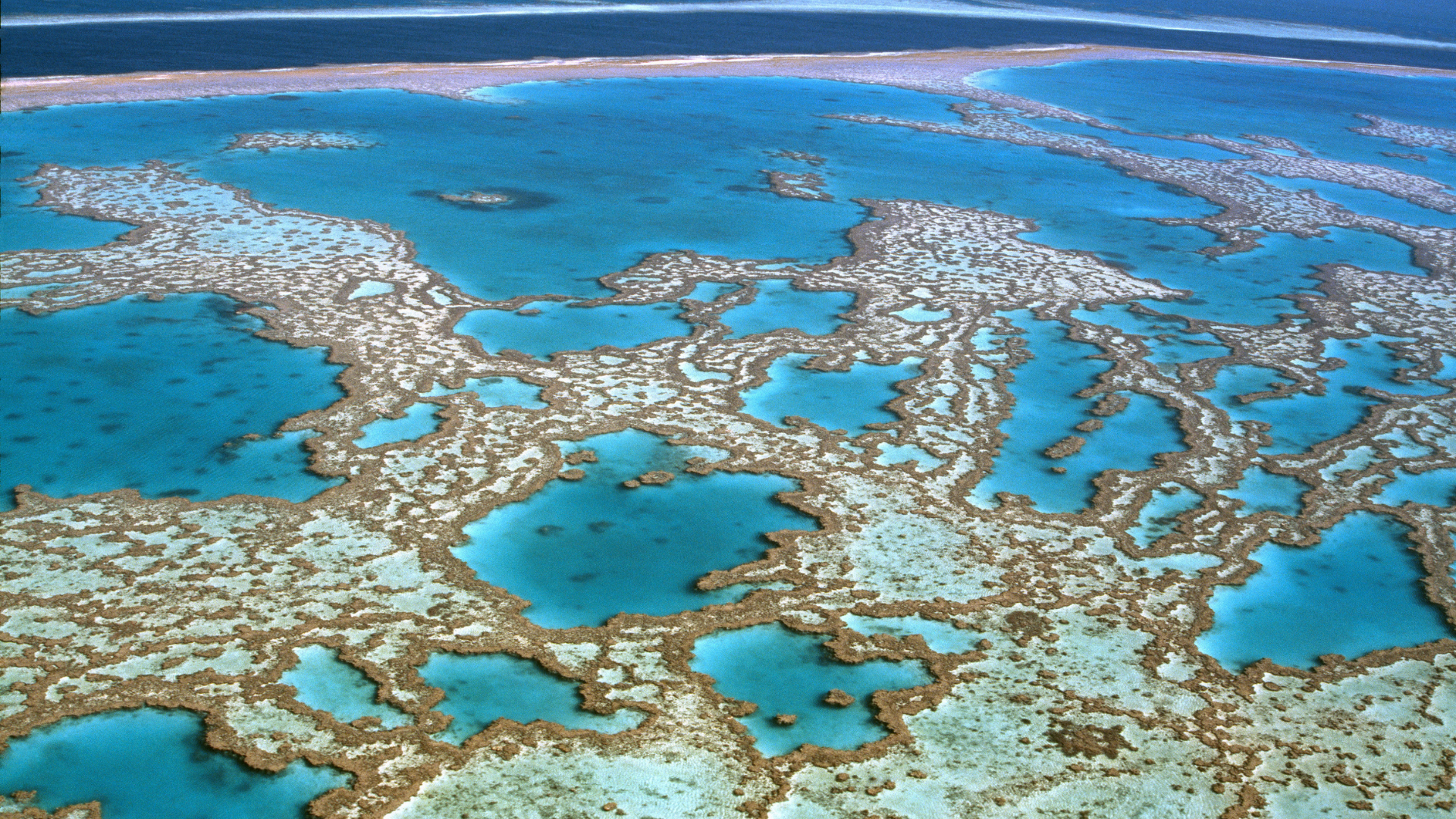
A late summer monsoon helped ease accumulated heat stress in early 2026. However, coral bleaching, flooding, cyclones, and crown-of-thorns starfish continue to place pressure on Reef resilience. More frequent and cumulative disturbances have contributed to significant fluctuations in coral cover over the past 15 years.
Australian Institute of Marine Science Long Term Monitoring Program has provided 40 years of trusted evidence on the condition and resilience of the Great Barrier Reef, supporting science-based management and decision-making.
This long-term data is critical to Reef Authority management, informing reef condition assessments, Outlook Reports, resilience-based management and targeted actions such as crown-of-thorns starfish control.
For more information on the program and a full report of the latest findings visit here.