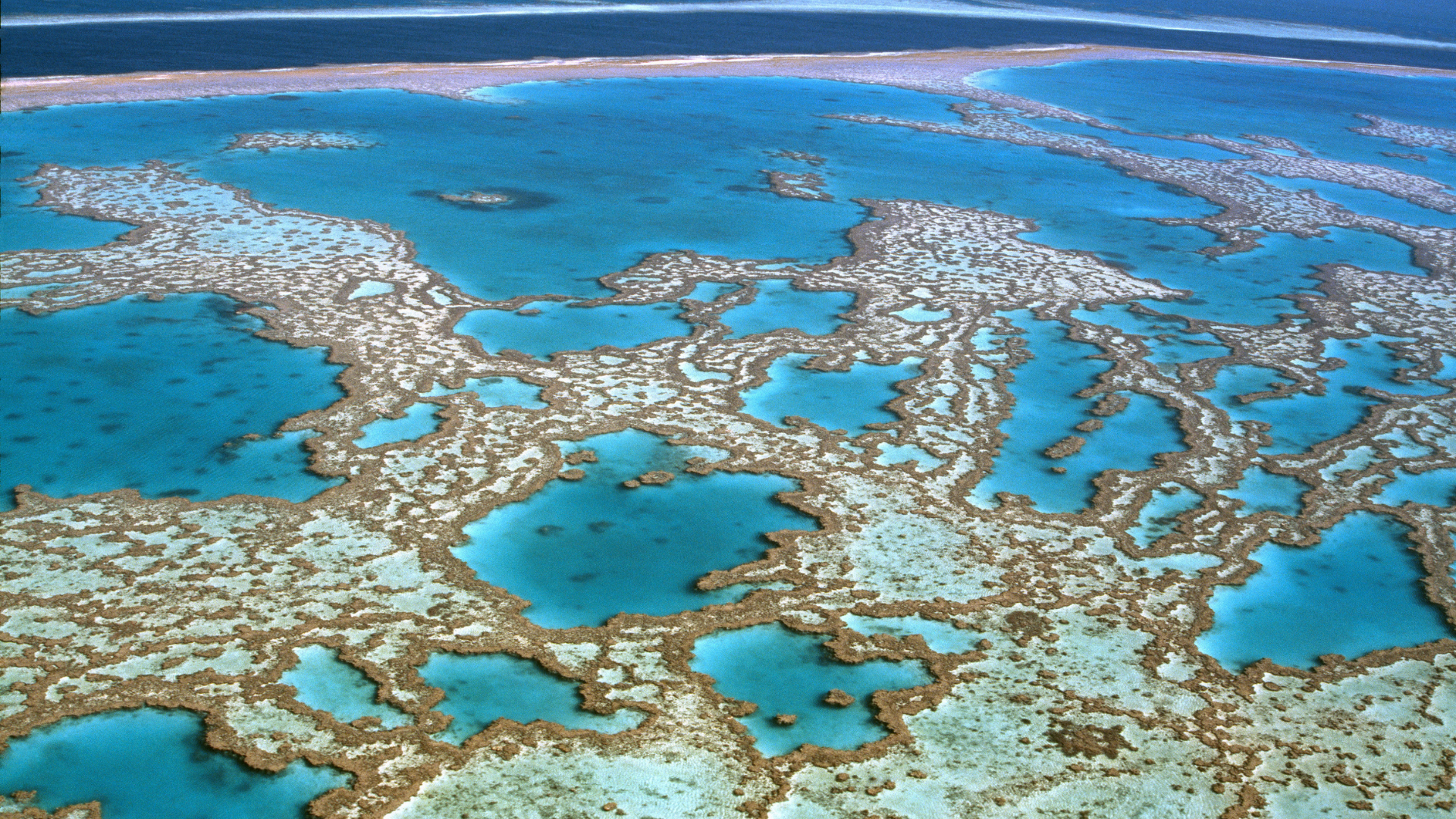
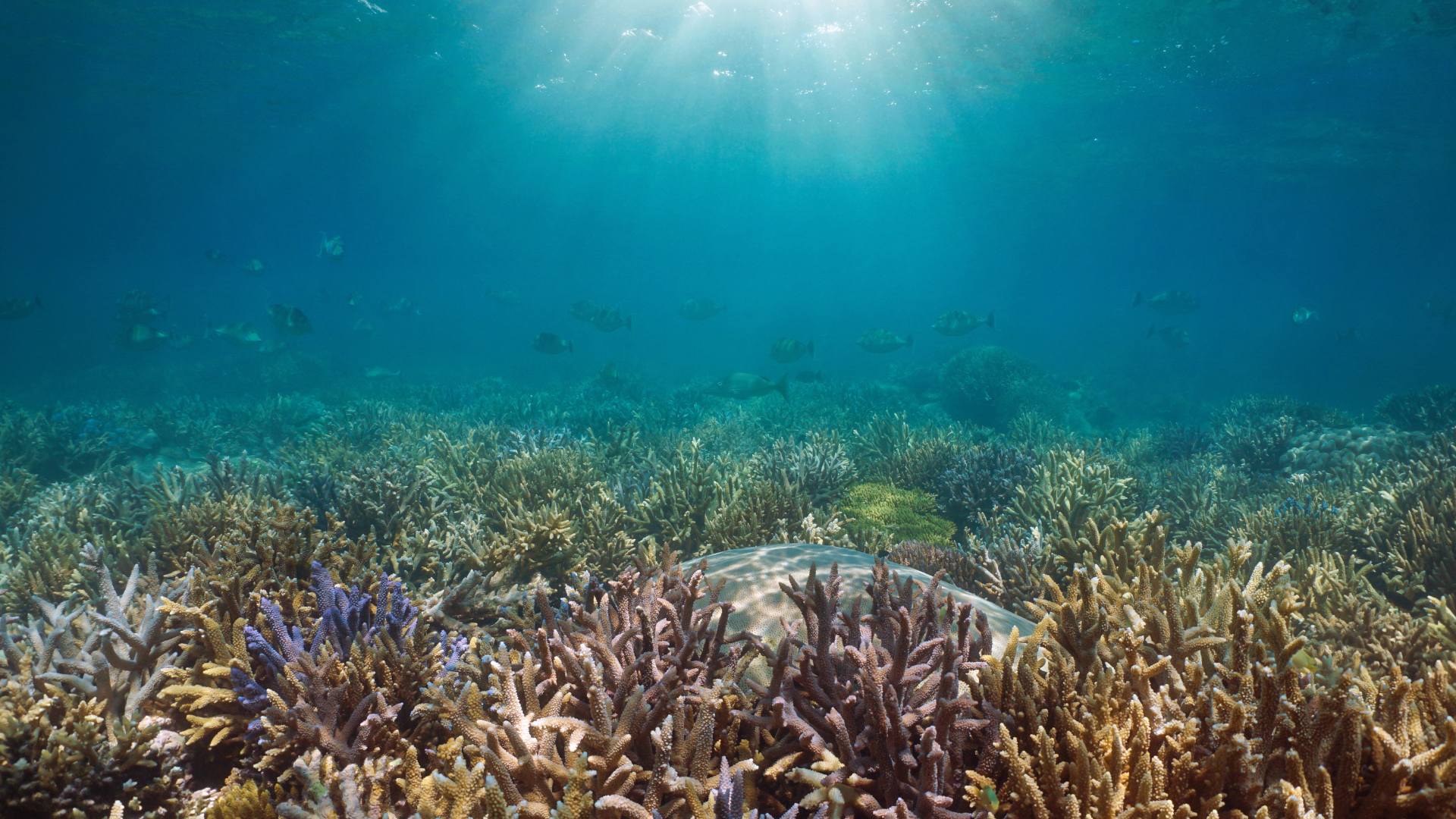
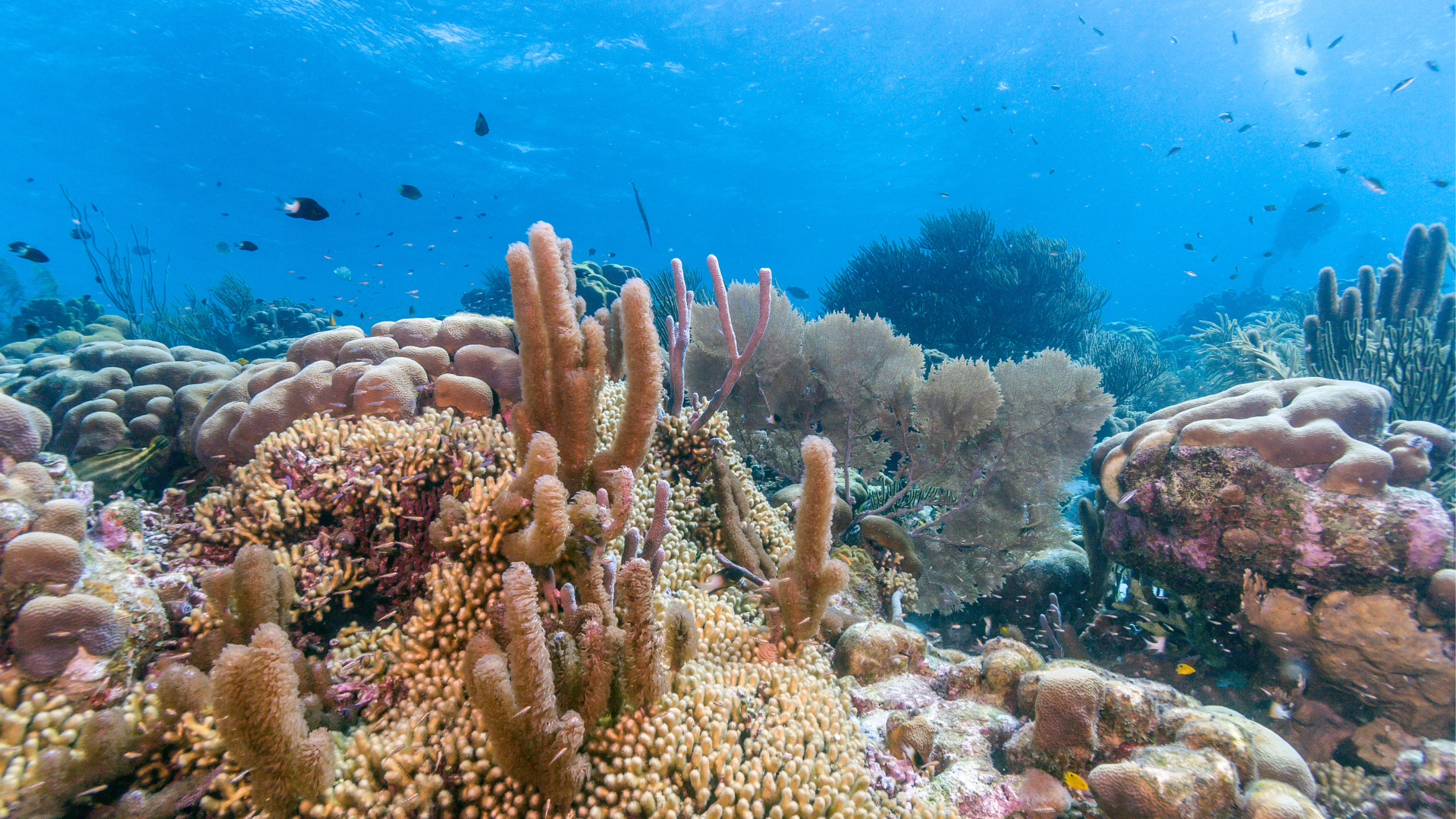
The study covered the seven U.S. states and territories that contain coral reefs, American Samoa, the Commonwealth of the Northern Mariana Islands (CNMI), South Florida, Guam, Hawaiʻi, Puerto Rico and the U.S. Virgin Islands, alongside two uninhabited areas: the Pacific Remote Island Areas and the Flower Garden Banks National Marine Sanctuary.
Using a benefit-transfer approach, drawing on existing studies updated to 2025 US dollars, the report estimates substantial annual values across jurisdictions. Among the largest were the biodiversity benefits of Hawaiʻi’s reefs, estimated at between $34 billion and $68 billion annually, and an existence value (the worth people place on simply knowing the reefs exist) of around $14.4 billion. Coastal protection benefits ran to hundreds of millions of dollars annually in several jurisdictions, including roughly $569 million in South Florida and $510 million in Hawaiʻi. Recreation and tourism were major sources of economic activity, with diving and snorkeling alone generating an estimated $1.25 billion in economic impact in South Florida.
The report distinguishes economic benefits, the welfare society derives from services such as coastal protection and biodiversity, from economic impacts, the spending, taxes and jobs generated by reef-related activity. The authors stress that these figures are estimates drawn from referenced studies, are specific to their jurisdiction, and should not be summed across services or regions or generalised beyond their context.
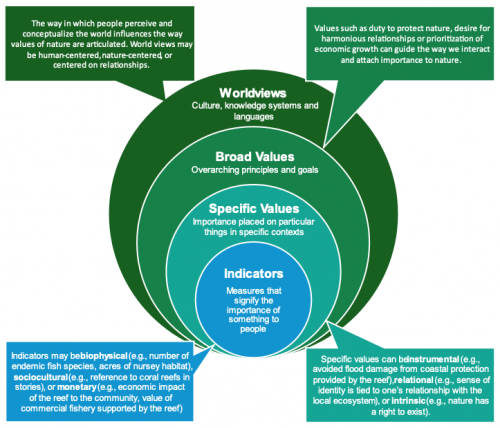
For the first time in a NOAA Coral Reef Conservation Program valuation, non-monetary values received extensive treatment. This followed early workshops in which local stakeholders made clear that dollar values alone paint an incomplete picture of why reefs matter to them. The team adopted a plural valuation approach, generating hundreds of indicators, between 13 in the Pacific Remote Island Areas and 161 in CNMI, spanning cultural heritage, spirituality, identity, knowledge systems and intergenerational ties.
Among the findings: in Guam, 66.8% of residents surveyed in 2023 considered coral reefs extremely important for cultural and familial ties; in CNMI, 63.6% considered them important for ancestral connections; and in Hawaiʻi, 78% of fishers reported they always or often shared their catch, a practice that strengthens social bonds. In American Samoa, reefs were estimated to protect 391 children from flooding. Indicators were recorded as both quantitative measures and qualitative accounts in communities’ own words.
The report is candid about its limits. The non-monetary values likely reflect only a small subset of those that exist, and the field lacks standardisation; the authors describe their results as provisional. Their recommendations call for place-based stakeholder engagement, greater standardisation of reef-use data, and more primary research to fill gaps. The central message is that monetary values cannot fully capture the worth of coral reefs, and that non-monetary valuation makes a distinct and necessary contribution to understanding them.

 A new report from the National Oceanic and Atmospheric Administration (NOAA) sets out one of the most comprehensive attempts yet to capture the full value of coral reefs to people in the United States, including dimensions that cannot be expressed in monetary terms. Ecosystem Services Valuation of U.S. Coral Reefs, published in May 2026 by NOAA’s Coral Reef Conservation Program and Office for Coastal Management, draws together five years of work across nine U.S. coral reef jurisdictions.