
GCRMN Regional Coordinators Meeting – February 2024
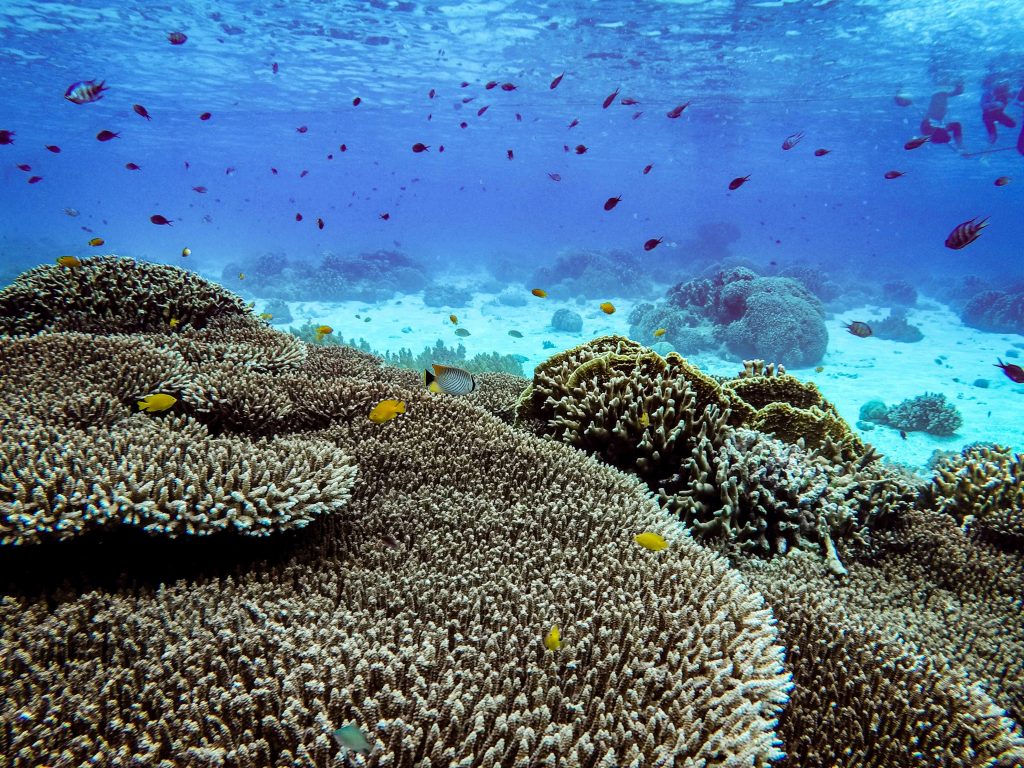
The Global Coral Reef Monitoring Network (GCRMN) is a global network of scientists, managers and organisations that monitor the condition of coral reefs throughout the world, operating through 10 regional nodes, which operate as entities under the GCRMN driven by regional coordinators. These coordinators facilitate the communication within the region, host workshops on monitoring and […]
Eastern Tropical Pacific node online meeting
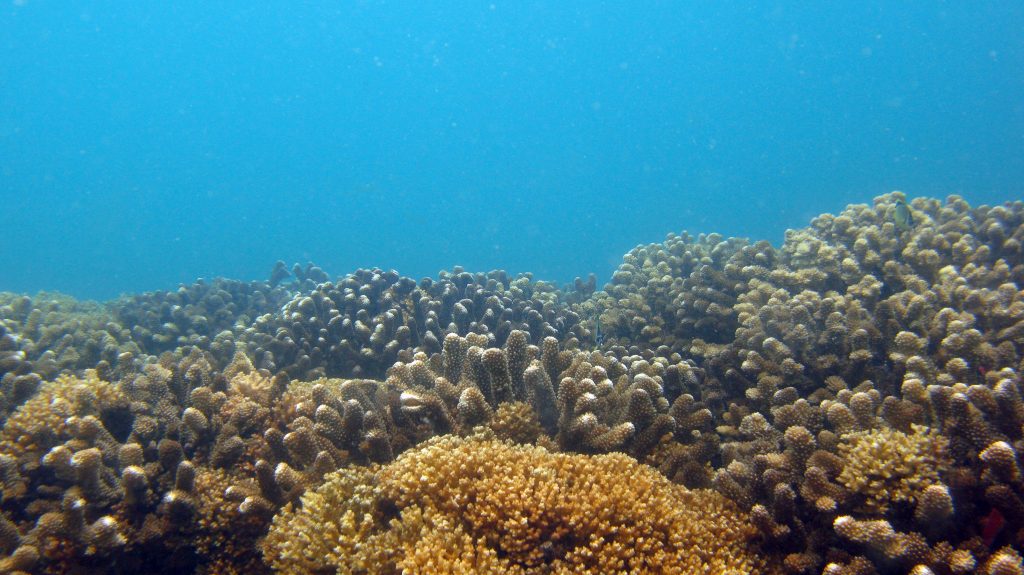
Following the June 2023 in-person meeting hosted in Cali, Colombia, the members of the Eastern Tropical Pacific node decided to meet on bi-monthly online meetings. These regular virtual sessions were considered necessary to maintain the cohesion of the regional network and for members to share their observations about the impacts of the 2023 marine heatwave […]
GCRMN-Caribbean Steering Committee meeting
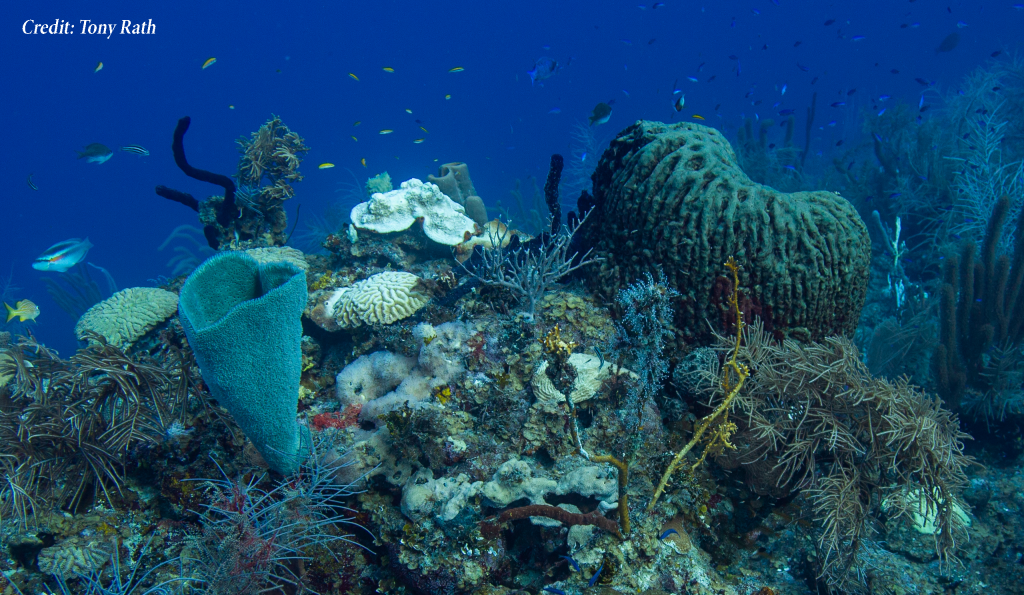
The GCRMN Caribbean node coordinators are currently defining a roadmap to produce a new “Status and Trends of Caribbean Coral Reefs” report, nearly 10 years after the release of the previous regional report (Status and Trends of Caribbean Coral Reefs: 1970-2012). In this context, the Regional Activity Center for Specially Protected Areas and Wildlife of […]
GCRMN Caribbean network online survey
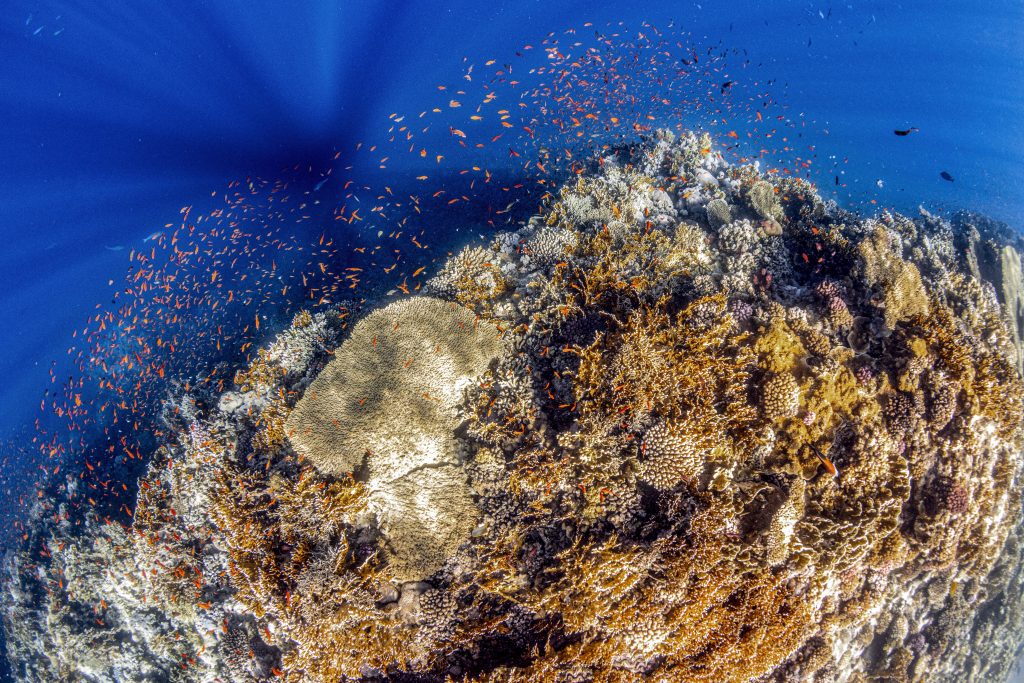
The GCRMN-Caribbean is an operational network of GCRMN in the Caribbean Region. It aims to ensure the collection of useful, comparable, and accessible data that can reveal the status and trends of the coral reef ecosystems in the Wider Caribbean Region. The network promotes an integrated approach with biophysical and socioeconomic data, to create regular, […]
GCRMN Pacific Workshop – November 2023
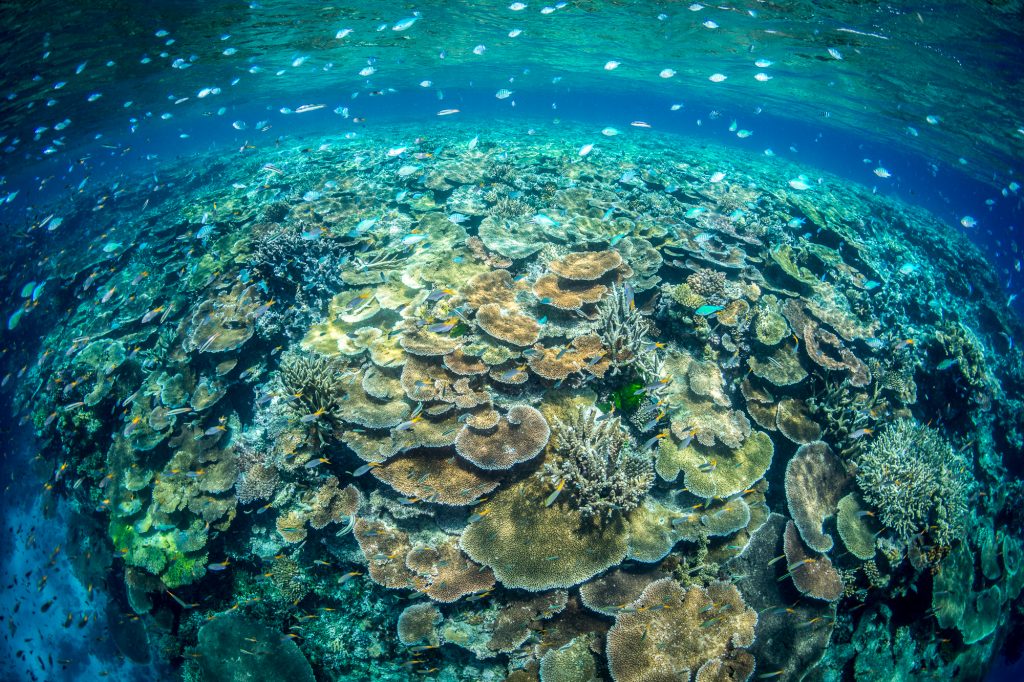
From 16 – 18 November, the Global Coral Reef Monitoring Network (GCRMN) Pacific Regional Node convened in Auckland, New Zealand, for a productive workshop to drive the production of the “Status and Trends of Coral Reefs in the Pacific: 2024” regional report. The GCRMN Pacific node coordinators are currently working on the production of […]
NOAA unveils new tool for exploring coral reef data
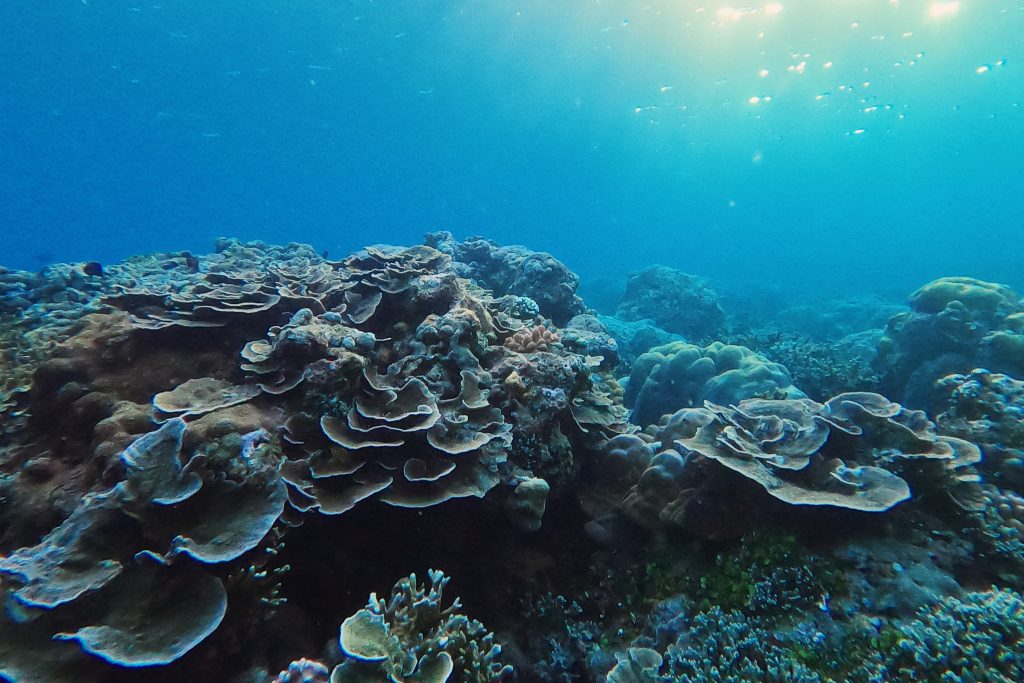
First-ever NOAA Geoplatform tool shows shallow coral reef ecosystem trends NOAA’s National Coral Reef Monitoring Program (NCRMP) has launched a new data visualization tool, which will provide free and easy-to-access information on the status of U.S. coral reefs. It is the first tool focusing on shallow tropical coral reef data to be hosted on the NOAA […]
A Guide to Large-Area Imaging for Coral Reef Monitoring, Research and Restoration
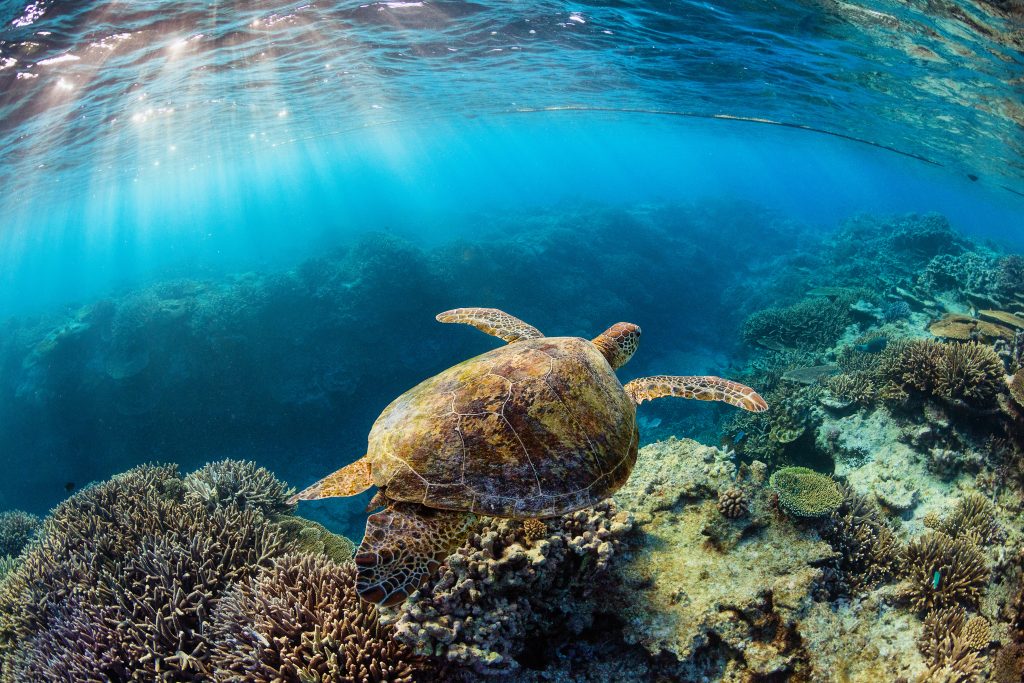
National Centres for Coastal Ocean Science (NCCOS) and partners are using large-area imaging (LAI) to monitor shallow water coral reefs and restoration. Now, they’ve published a guidance document outlining standard operating procedures and concepts of photogrammetry (the science of making measurements from photographs), so members of the coral reef research and restoration community can apply these techniques […]
Unprecedented marine heat wave on Caribbean coral reefs
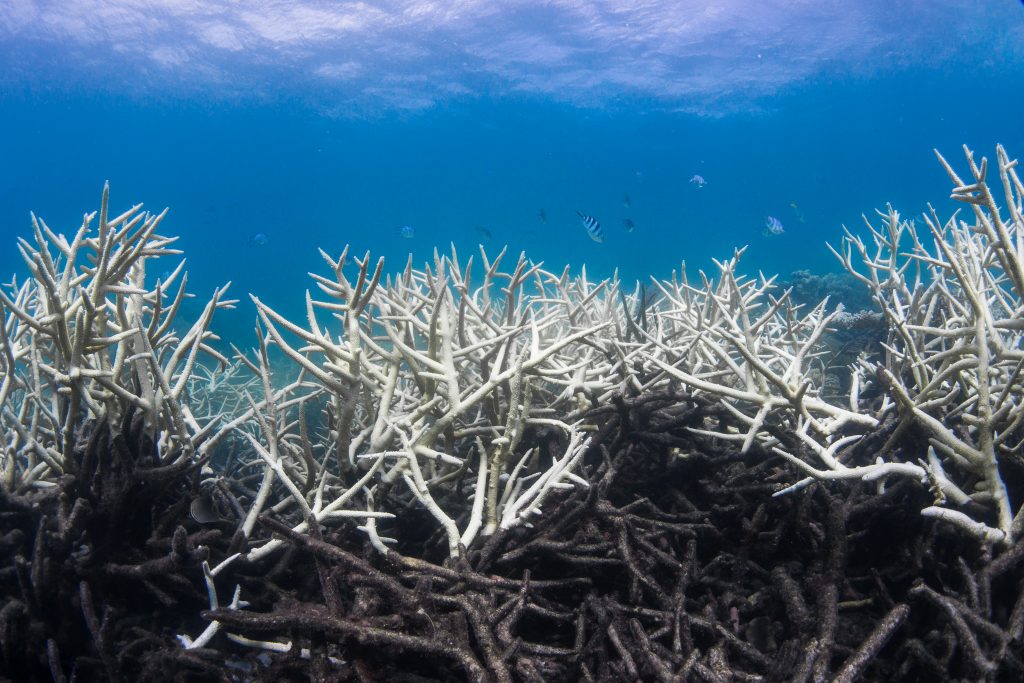
Decades of overfishing, habitat destruction, and eutrophication have led to a drastic decrease of hard coral cover across coral reefs in the Caribbean (Gardner et al., 2003). In addition to these historical local stressors, coral reefs face the adverse effects of climate change, specifically the increase in frequency and extended durations of marine heat waves […]
GCRMN Steering Committee Meeting
The GCRMN organised a two day steering committee meeting in Kailua-Kona, Hawai’i, on September 18th and 19th. This meeting was held in conjunction with the 37th ICRI general meeting and marked the first in-person gathering of the GCRMN steering committee since the March 2022 meeting in Monaco. A total of 31 participants, including seven node […]
Pacific hard coral identification online workshop
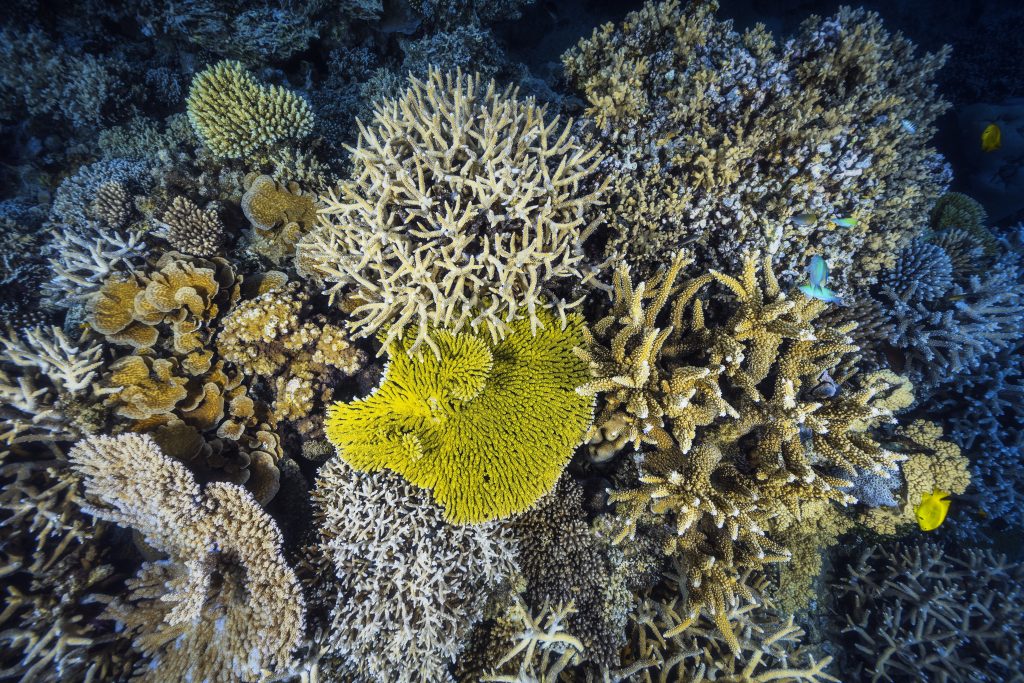
One of the most widely used indicators of coral reef state is the percentage cover of benthic organisms. Because of the huge diversity hosted by coral reefs, the cover of benthic species is usually aggregated in large categories, such as hard coral cover or macroalgae cover. This aggregation is mainly justified by a trade-off between […]